Trick Factors to Compare When Visiting a Memory Care Home
Business Name: BeeHive Homes of Plainview
Address: 1435 Lometa Dr, Plainview, TX 79072
Phone: (806) 452-5883
BeeHive Homes of Plainview
Beehive Homes of Plainview assisted living care is ideal for those who value their independence but require help with some of the activities of daily living. Residents enjoy 24-hour support, private bedrooms with baths, medication monitoring, home-cooked meals, housekeeping and laundry services, social activities and outings, and daily physical and mental exercise opportunities. Beehive Homes memory care services accommodates the growing number of seniors affected by memory loss and dementia. Beehive Homes offers respite (short-term) care for your loved one should the need arise. Whether help is needed after a surgery or illness, for vacation coverage, or just a break from the routine, respite care provides you peace of mind for any length of stay.
1435 Lometa Dr, Plainview, TX 79072
Business Hours
Touring a memory care home is just one of those decisions that really feels straightforward on paper and deeply personal in real life. Family members commonly start with a look for "memory care near me," after that quickly understand that the right area is not almost place or a shiny website. It is about whether the setting can support a person who is coping with dementia, whether staff notice adjustments early, and whether the whole setting feels tranquil rather than institutional. That last part matters more than individuals anticipate. A home can have all the ideal pamphlets and still feel incorrect the moment you walk in.
I have sat with family members that were searching for elder care after an unexpected medical diagnosis and with others who had already attempted taking care of a parent in your home up until the pressure ended up being way too much. Some were comparing memory like respite care because they just required short-term assistance after a medical facility remain. Others were attempting to weigh memory care versus remaining at home a little longer with assistance from senior care services. In every situation, the tour was where the genuine contrast began. The discussion transformed from broad hopes to functional questions: Can this personnel group take care of straying? Do they understand how to redirect without unpleasant somebody? Will certainly my father still obtain a mug of coffee simply the method he suches as it?
The ideal excursions do not simply address those concerns. They show you how a neighborhood thinks.
Start with the feeling of the location, not the brochure
Before you ask about staffing proportions or activity calendars, take note of just how the home really feels when you enter. Individuals with amnesia are frequently much more conscious noise, crowding, and aesthetic clutter than their families realize. An active entrance hall, blasting tv, or complicated corridor can create worry quick. A good memory care home normally has a calmer rhythm. You might hear music playing softly, see team speaking in low voices, and notification citizens relocating at an unhurried pace.
Look at the light in the structure. Natural light has a tendency to help with alignment and mood, while dark hallways or harsh fluorescent lighting can make spaces feel harder to navigate. Odors matter as well. A tidy home needs to scent like clean bed linens, fresh food, or nothing much whatsoever. Solid disinfectant, heavy fragrance, or relentless smells can indicate much deeper issues.
There is also a human sensation that is tougher to name yet difficult to neglect. Do the staff appear hurried and stressful, or are they existing and attentive? Do locals look comfy? If individuals are resting silently, that is not immediately a bad sign. What issues is whether they appear secure or taken out. A memory care home need to not really feel like a waiting room.
Ask exactly how the community supports various phases of memory loss
Memory care is not one-size-fits-all. Some homeowners are in the early or middle phases of dementia and still enjoy team activities, acquainted routines, and easy options. Others require far more hands-on assistance with bathing, consuming, toileting, or managing anxiety. During a tour, ask how the home changes care as needs change.
This is where lots of family members obtain a clearer picture of whether a neighborhood absolutely concentrates on memory care or just supplies it as an add-on. A solid program must be able to discuss how personnel manage sundowning, agitation, recurring concerns, sleep disruption, and the disappointment that can come with loss of language. They should likewise be able to explain what happens if a resident's condition adjustments rapidly. Some neighborhoods can support a wider variety of demands than others, and that difference can impact whether somebody can stay or have to relocate later.
If you are contrasting senior living near me alternatives, do not assume every building labeled "memory care" provides the very same deepness of service. One neighborhood might be outstanding for early-stage dementia and social engagement, while another may be much better geared up for residents who need more overall supervision. That difference is worth obtaining clear on prior to you authorize anything.
Watch just how staff connect with residents
This might be the single most enlightening component of the tour. Qualifications and plans matter, yet staff habits tells you what life is in fact like inside the building.
Pay attention to whether employee use the resident's name, make eye get in touch with, and talk at a tranquil speed. The very best caregivers do not hurry individuals via a task if they can help it. They provide easy directions one by one, permit additional time for feedback, and know when to go back. If someone is puzzled, they do not suggest with them. They reroute, reassure, and keep things moving.
You can learn a great deal by noticing whether personnel seem to know the homeowners as people. Maybe one resident likes to fold up napkins, another constantly asks for tea, and one more becomes nervous before lunch. Those information are not small. They are what transforms senior care from job completion right into real caregiving.
It is also worth asking about staff training. Not just whether training exists, but how usually it happens and what it covers. Dementia care is a skill set. It takes more than kindness, though kindness is essential. Team should recognize interaction techniques, actions modifications, fall avoidance, and just how to respond when a resident comes to be anxious or agitated.
Compare safety functions without allowing the building really feel prison-like
Families normally concentrate on safety, and they should. Memory loss can raise the danger of wandering, falls, and medication mistakes. Still, there is a difference in between a secure setting and one that feels overly restrictive.
During the tour, notice the exits, safeguarded courtyards, and wayfinding hints. Some memory care homes use color, comparison, and symbols to help residents find their means. Hallway loopholes can decrease stumbling blocks and frustration. Exclusive rooms, if used, should be simple to access and made to lower complication. Washrooms ought to have grab bars, excellent lights, and clear aesthetic comparison where possible.
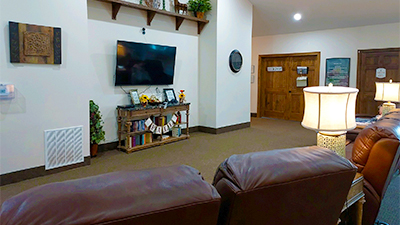
Ask regarding wandering precautions. What does the staff do if a resident attempts to leave? How are doors kept track of? Exactly how usually are checks made throughout the night? The solutions must be specific, not vague. A well-run memory care home can discuss just how it safeguards locals without making them really feel trapped.
The ideal areas find an equilibrium. They use very discreet security systems, practical formats, and personnel awareness as opposed to producing a setting that looks extreme or overly secured down. If a location feels more like a facility than a home, focus on that reaction. Family members usually notice the issue before they can fully explain it.
Notice whether homeowners have real day-to-day structure
People with dementia normally do far better with rhythm. That does not suggest every min needs to be set up. It does indicate the day must really feel well organized and familiar. When exploring, ask exactly how breakfast, dishes, activities, remainder time, and bedtime are structured.
A great memory care home will certainly have a foreseeable circulation, however not a rigid one. Locals must have adequate structure to reduce confusion and sufficient flexibility to preserve dignity. As an example, a resident who is drowsy after lunch might have the ability to remainder instead of being pressed into a team activity. A person who dislikes big teams might do far better in an individually activity memory care or a small table task.
This is a location where a tour can disclose whether the neighborhood really understands elder care. If the day seems centered on team benefit alone, that is a warning sign. If homeowners have significant regimens, even simple ones like folding towels, sprinkling plants, or assisting establish the table, that usually mirrors a healthier culture.
A memory care home ought to likewise have the ability to discuss how it handles hard times of day. Many households learn about late-afternoon confusion, however less ask what happens throughout the quiet hours after supper or the morning. These are the moments when a well-designed routine matters most.
Look very closely at eating, because dishes inform the truth
Dining is one of the simplest locations to see whether a community is thoughtful or merely ample. I always tell families to ask to see a dish solution when possible, or at least to visit the dining room each time when it remains in use. Watch exactly how food is layered, how staff assist individuals who need aid, and whether residents appear loosened up or rushed.
For somebody with dementia, mealtime can be tough for reasons that are easy to miss. A noisy dining room can make it hard to focus on eating. A lot of selections can create anxiety. Foods that are too made complex to handle can cause aggravation or weight management. A solid memory care home recognizes this and readjusts accordingly. They might offer finger foods, smaller portions, adaptive utensils, or quiet seating for citizens who do far better with much less stimulation.
Ask how they take care of hydration and weight monitoring. Dehydration is common in older grownups, particularly when memory loss influences the capability to identify thirst. You must additionally ask exactly how the kitchen handles preferences and cultural familiarity. A resident may eat better when served familiar foods, which can make a purposeful difference in daily comfort.
Dining additionally offers you a home window right into regard. Do team rest with residents and motivate them patiently, or do they float and hurry? Do they speak to the person or regarding the individual? That difference informs you a large amount concerning the home's culture.
Evaluate the activity program with a sensible eye
Activity calendars can be outstanding, however the genuine inquiry is whether the activities are proper and really occur. A lengthy checklist of choices is not beneficial if citizens are as well overwhelmed to join or if the program is mostly developed for display.
The finest memory care activities are typically easy, acquainted, and repeatable. Music, folding towels, arranging objects, horticulture, art with low stress, light movement, and memory activities frequently function well. Some homeowners like spiritual solutions or pet dog visits. Others choose quiet monitoring. Excellent staff recognize that participation might transform from day to day.
When touring, ask that leads the activities and exactly how citizens are urged to sign up with. If the area claims they tailor engagement by capability, request examples. This is additionally an excellent minute to observe. Are homeowners connecting, smiling, or concentrated? Or does the activity seem staged and hollow?
Families contrasting senior living near me options frequently ignore this part since it seems secondary to treatment. It is not second in all. For individuals coping with dementia, purposeful activity is part of care. It supports mood, sleep, cravings, and a sense of self.
Ask about family members communication and transparency
A memory care home can look superb throughout a tour and still become aggravating later if family members are left in the dark. That is why interaction deserves its very own conversation. Ask just how the area keeps households informed about adjustments in health, behavior, medicine, or mood. That calls whom, and when?
Good communities have a clear process. They do not wait until a small concern comes to be a crisis. If a resident starts dropping more frequently, refusing food, or showing signs of distress, families need to become aware of it early. You should likewise ask just how typically care strategies are assessed and whether relative are invited to participate.
This issues a lot more for individuals stabilizing work, parenting, or distance. Some families make use of respite care before making an irreversible step, partially because they intend to test exactly how well the neighborhood communicates. That is a wise strategy. Brief keeps typically reveal more than a one-hour tour ever will.
Transparency additionally includes fees. Do not be reluctant about asking what is included in the base price and what prices additional. Medicine management, personal care, incontinence support, transportation, and greater levels useful can all impact the regular monthly bill. One of the most refined community is not necessarily the most effective fit if the prices framework is perplexing or packed with surprises.
Bring the right inquiries and trust fund what you notice
A tour goes better when you get here with a couple of based concerns in mind, however the questions just matter if you likewise trust your senses. If an area seems great on paper but makes you worried, do not disregard that feeling. Families frequently understand more than they think after the first visit.
You do not need a long examination. You need sufficient quality to compare areas truthfully. These 5 concerns normally open the discussion well:
- How do you support homeowners at various stages of memory loss?
- What sort of dementia-specific training do personnel receive?
- How do you handle wandering, falls, and nighttime supervision?
- What does a typical day appear like right here, from breakfast to bedtime?
- How do you keep households upgraded when a resident's demands change?
Those questions are just a beginning factor, however they often tend to disclose whether a community is organized, honest, and experienced.
There is additionally worth in returning momentarily visit at a various time of day. A building can really feel tranquil at 10 a.m. And extremely various at 4 p.m. When individuals are worn out and the late-day restlessness starts. If you can, come back when the dining room is hectic or when fewer staff are on duty. Real-life problems matter greater than the sleek tour path.
The duty of dignity in daily care
Dignity can be simple to miss since it rarely appears on a list. Yet it is frequently things families bear in mind most once the formal details obscure together. Self-respect is whether team knock prior to entering a room. It is whether a resident obtains a clean tee shirt rather than being left in something tarnished. It is whether a person is provided time to complete an idea, also if the sentence wanders.
When touring, try to find signs that the home safeguards dignity in small means. Are locals worn routine clothing as opposed to hospital-style clothing? Are individual things showed in a manner that makes rooms really feel familiar? Do team make an effort to protect privacy during individual care? These information may appear subtle, but they impact exactly how a person experiences each day.
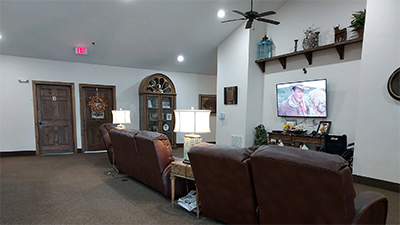
For families that have been giving care in the house, this can be a hard shift. Many adult children fret that moving a parent into memory care implies losing closeness. Commonly the opposite occurs. When the appropriate area takes control of the daily strain, family members can go back to being daughters, kids, spouses, or grandchildren once more. That is not a small thing. It is among the largest benefits of expert elder care.
Choosing memory care is seldom a clean, simple decision. It is a procedure of comparing safety, heat, staffing, framework, and honesty, then evaluating all of it against the one-of-a-kind character and needs of the person that will live there. A structure might be lovely and still not fit. An additional may be modest however deeply qualified, which can matter a lot more in the long run.
If you are exploring memory care homes currently, allow yourself see both the apparent and the small. Notification the method people talk to each other. Notice whether the homeowners appear worked out. Notice whether the area sustains self-reliance where it can and assistance where it must. The ideal home will not merely check boxes. It will feel like an area where a person can cope with much less fear and more steadiness, even on the tough days.
BeeHive Homes of Plainview provides assisted living care
BeeHive Homes of Plainview provides memory care services
BeeHive Homes of Plainview provides respite care services
BeeHive Homes of Plainview supports assistance with bathing and grooming
BeeHive Homes of Plainview offers private bedrooms with private bathrooms
BeeHive Homes of Plainview provides medication monitoring and documentation
BeeHive Homes of Plainview serves dietitian-approved meals
BeeHive Homes of Plainview provides housekeeping services
BeeHive Homes of Plainview provides laundry services
BeeHive Homes of Plainview offers community dining and social engagement activities
BeeHive Homes of Plainview features life enrichment activities
BeeHive Homes of Plainview supports personal care assistance during meals and daily routines
BeeHive Homes of Plainview promotes frequent physical and mental exercise opportunities
BeeHive Homes of Plainview provides a home-like residential environment
BeeHive Homes of Plainview creates customized care plans as residents’ needs change
BeeHive Homes of Plainview assesses individual resident care needs
BeeHive Homes of Plainview accepts private pay and long-term care insurance
BeeHive Homes of Plainview assists qualified veterans with Aid and Attendance benefits
BeeHive Homes of Plainview encourages meaningful resident-to-staff relationships
BeeHive Homes of Plainview delivers compassionate, attentive senior care focused on dignity and comfort
BeeHive Homes of Plainview has a phone number of (806) 452-5883
BeeHive Homes of Plainview has an address of 1435 Lometa Dr, Plainview, TX 79072
BeeHive Homes of Plainview has a website https://beehivehomes.com/locations/plainview/
BeeHive Homes of Plainview has Google Maps listing https://maps.app.goo.gl/UibVhBNmSuAjkgst5
BeeHive Homes of Plainview has Facebook page https://www.facebook.com/BeeHivePV
BeeHive Homes of Plainview has an YouTube page https://www.youtube.com/@WelcomeHomeBeeHiveHomes
BeeHive Homes of Plainview won Top Assisted Living Homes 2025
BeeHive Homes of Plainview earned Best Customer Service Award 2024
BeeHive Homes of Plainview placed 1st for Senior Living Communities 2025
People Also Ask about BeeHive Homes of Plainview
What is BeeHive Homes of Plainview Living monthly room rate?
The rate depends on the level of care that is needed. We do an initial evaluation for each potential resident to determine the level of care needed. The monthly rate is based on this evaluation. There are no hidden costs or fees
Can residents stay in BeeHive Homes until the end of their life?
Usually yes. There are exceptions, such as when there are safety issues with the resident, or they need 24 hour skilled nursing services
Do we have a nurse on staff?
No, but each BeeHive Home has a consulting Nurse available 24 – 7. if nursing services are needed, a doctor can order home health to come into the home
What are BeeHive Homes’ visiting hours?
Visiting hours are adjusted to accommodate the families and the resident’s needs… just not too early or too late
Do we have couple’s rooms available?
Yes, each home has rooms designed to accommodate couples. Please ask about the availability of these rooms
Where is BeeHive Homes of Plainview located?
BeeHive Homes of Plainview is conveniently located at 1435 Lometa Dr, Plainview, TX 79072. You can easily find directions on Google Maps or call at (806) 452-5883 Monday through Sunday 9:00am to 5:00pm
How can I contact BeeHive Homes of Plainview?
You can contact BeeHive Homes of Plainview by phone at: (806) 452-5883, visit their website at https://beehivehomes.com/locations/plainview/, or connect on social media via Facebook or YouTube
Door Red offers a familiar, easy-to-navigate dining option ideal for assisted living, memory care, senior care, elderly care, and respite care visits.